Two Unity games built from scratch — AI-driven enemy behaviour, custom C# state machines, and design-led level architecture.
Building games in Unity is the closest thing to product design with no handoff — every visual decision is immediately a scripting decision. These two games were built to explore what happens when a designer writes the AI.
My background in Computer Science meant I wasn't adapting to the technical constraints — I was making decisions that used them deliberately. Sound cues timed to state transitions. Lighting tied to proximity values. A 2-minute timer that reframes the entire spatial design of the level.
Working in Unity deepened my understanding of player movement, AI behaviour, and environmental design — skills that translate directly into interaction design and the emotional arc of a user flow.
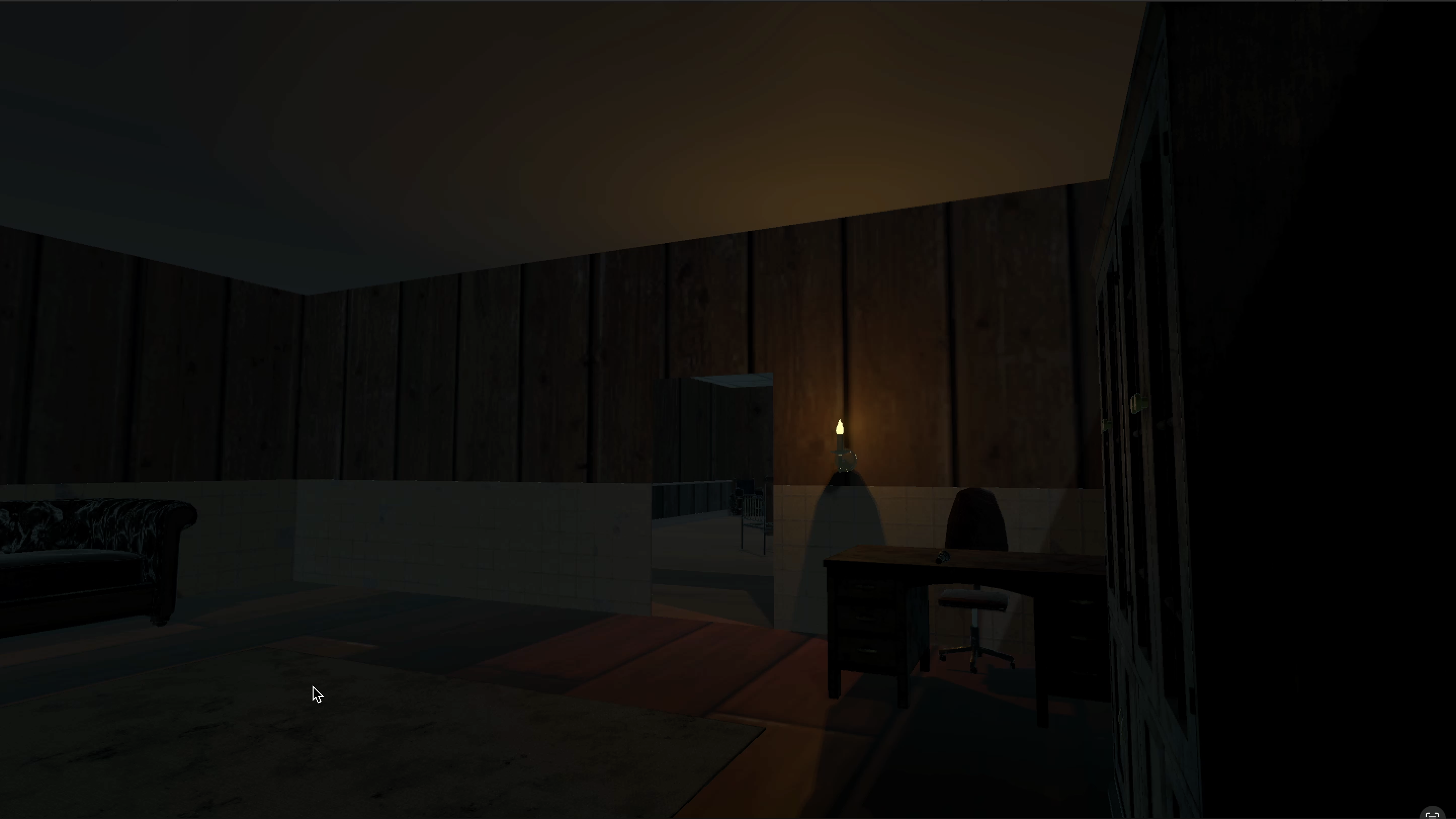
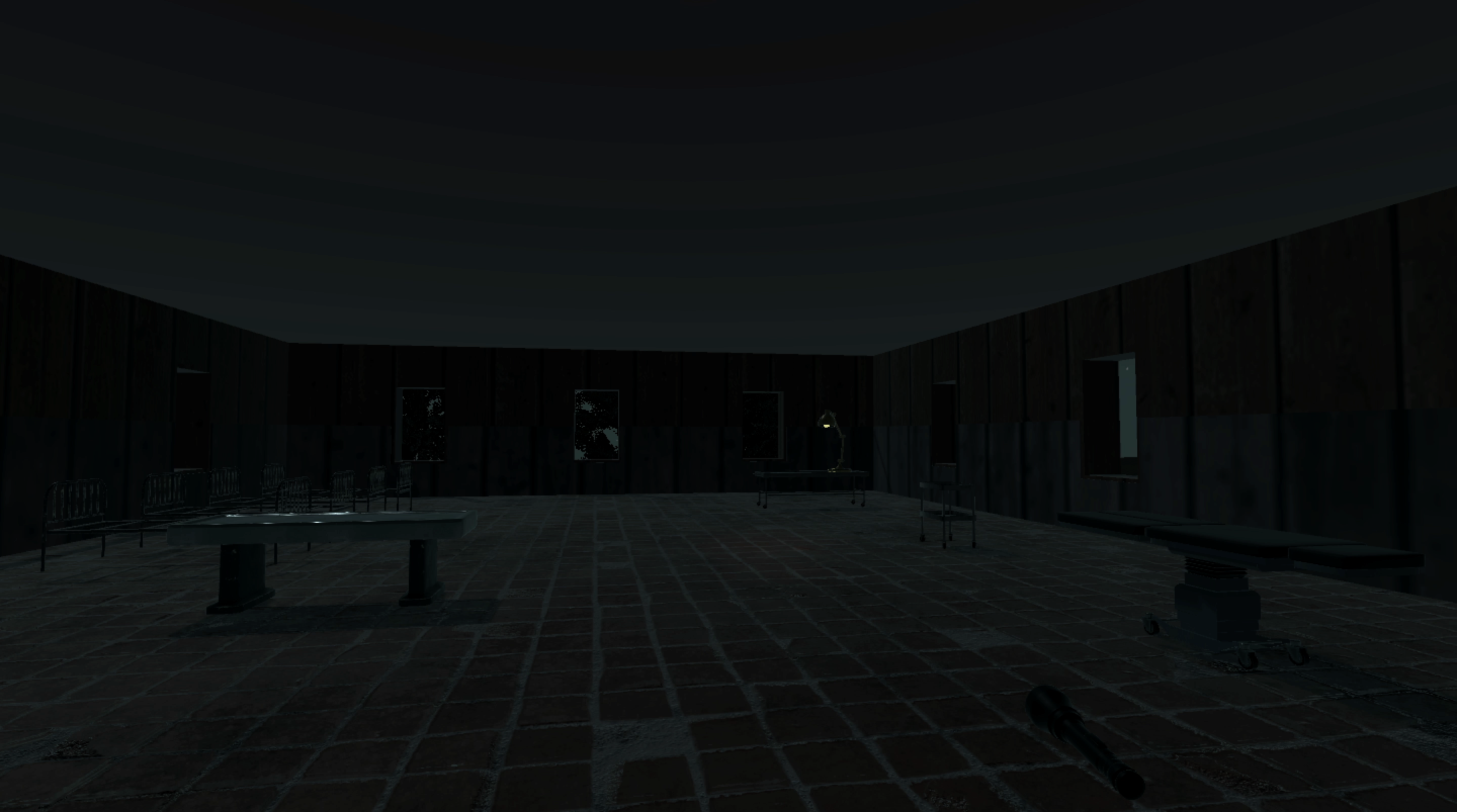
A chilling escape room horror game where players must navigate through terrifying environments, collect clues, and survive a zombie encounter to escape. The design challenge wasn't making the zombie scary — it was making the room scary before the zombie appeared.
Fig. 2 · Exthinktion gameplay — full walkthrough of the escape room horror experience.


Fig. 3–4 · In-game screenshots — environmental storytelling and dynamic lighting.
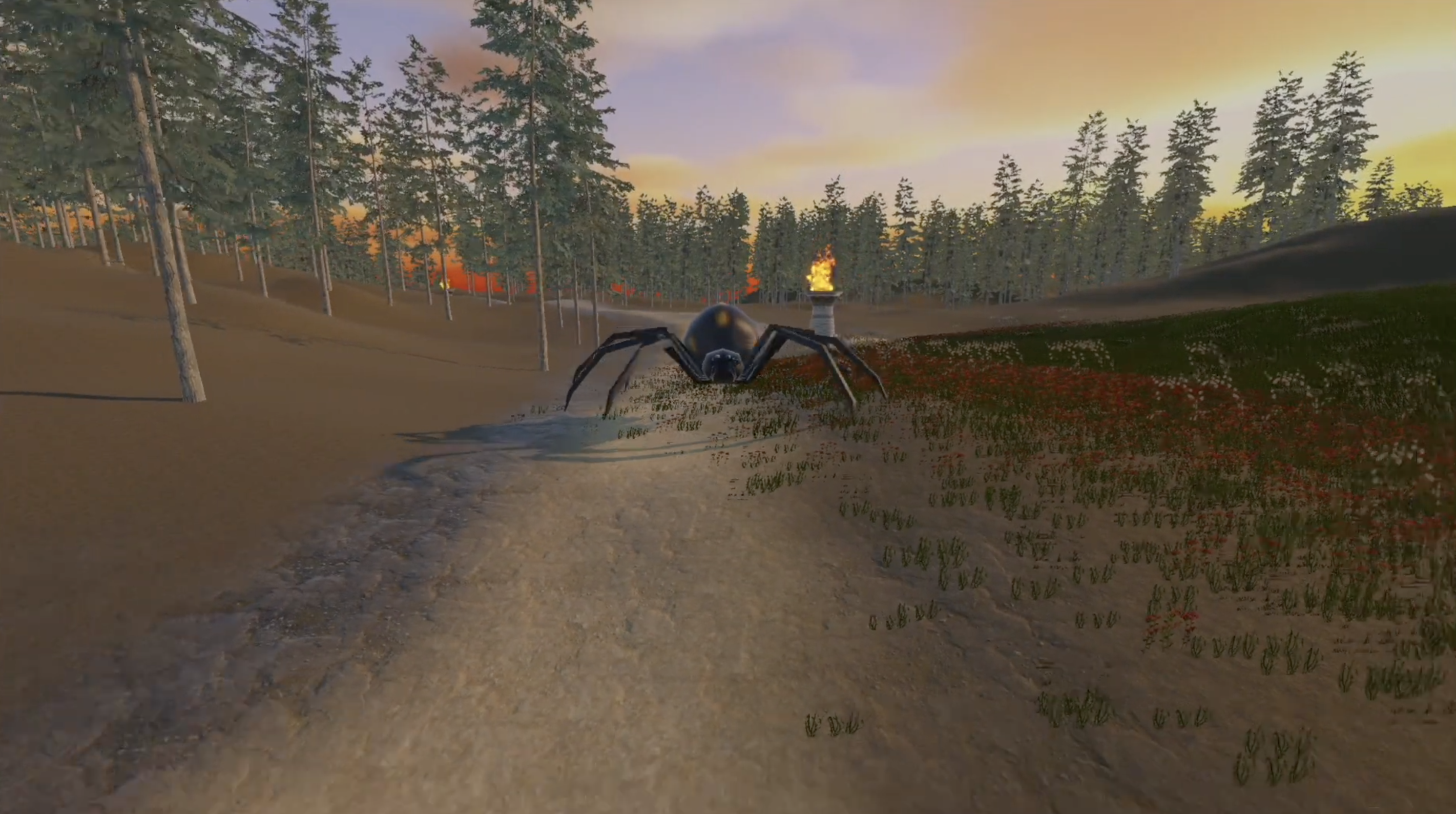
Fig. 5 · Spider Chase gameplay — full run of the stealth-chase experience.

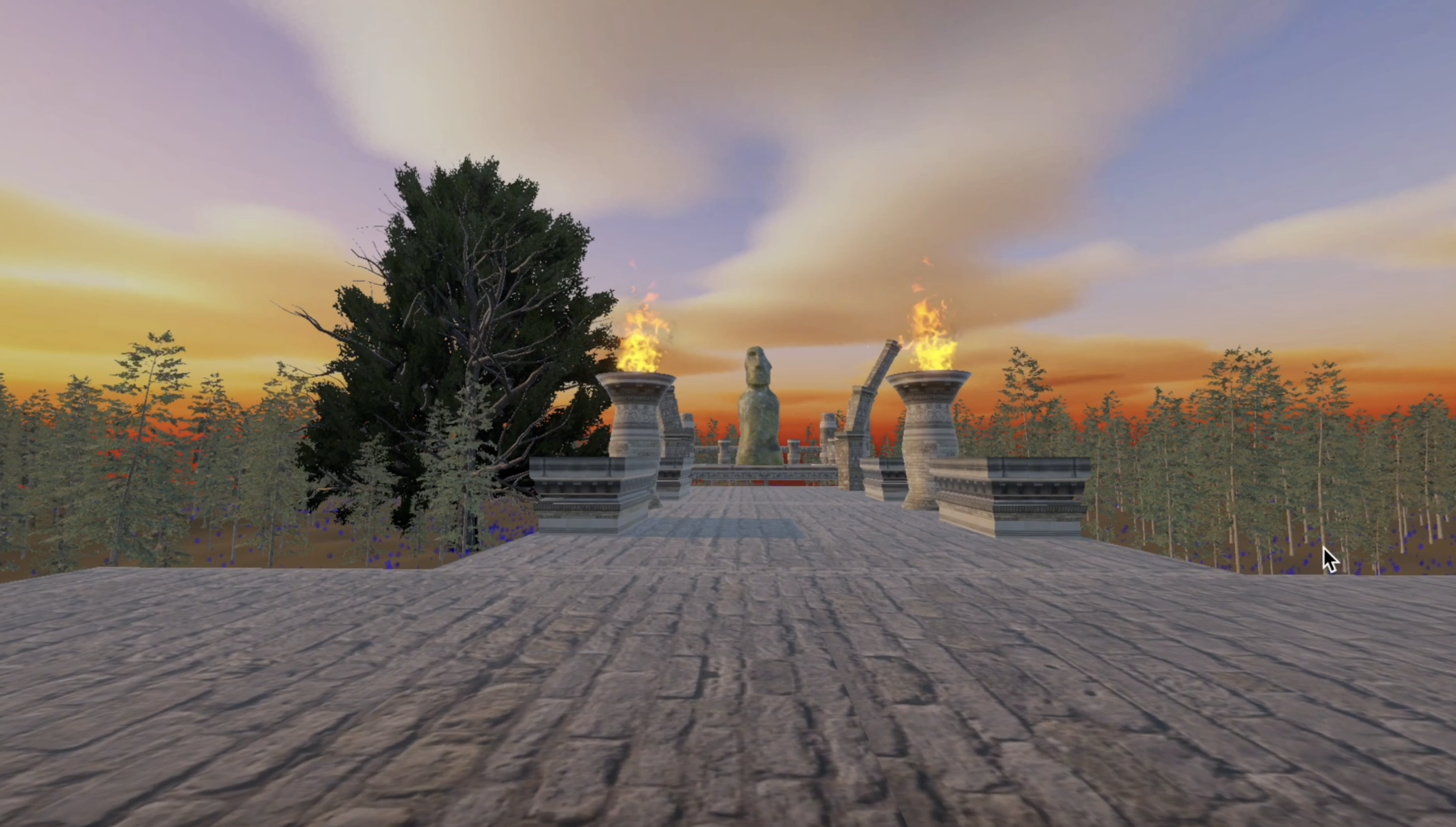
Fig. 6–7 · Forest path and temple destination — environmental contrast as narrative device.
A heart-pounding stealth-chase game where players must reach a distant temple in under 2 minutes. The 2-minute constraint wasn't just a difficulty mechanic — it was a spatial design tool that forced every route to have a tradeoff.
These projects taught me how to build atmosphere through visual storytelling and how game mechanics can dramatically shift player emotions. From horror pacing to chase sequences, I learned to balance tension with player agency — the same balance that makes any interactive experience worth using.
Working with Unity's systems deepened my understanding of player movement, AI behaviour, and environmental design. It's a space where technical implementation meets creative vision.
The most direct lesson for product design: constraints are mechanics. A 2-minute timer, a proximity threshold, a locked door — they're not obstacles, they're the design.