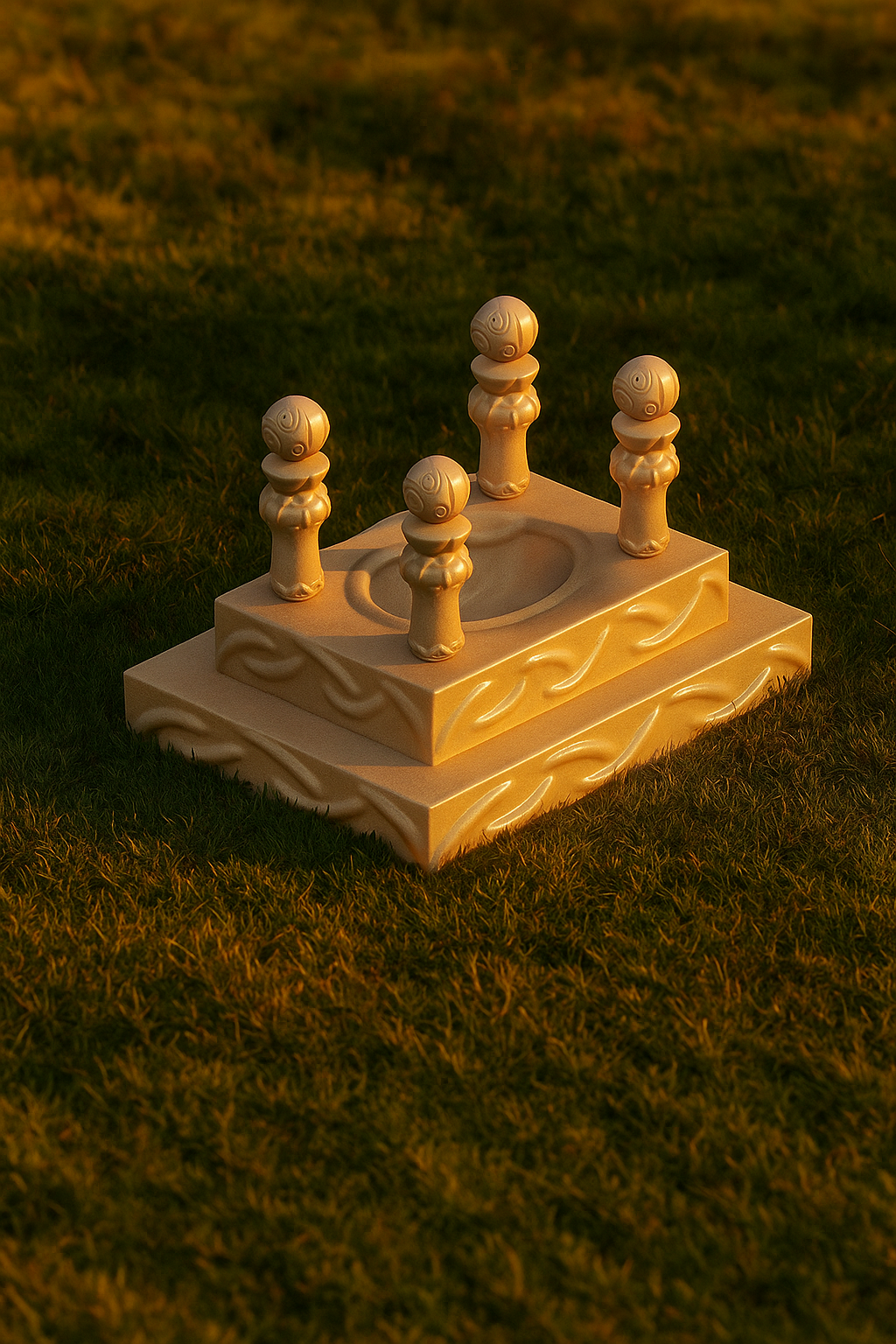
Creative Work · 3D Modeling · Ongoing

3D Modeling

Dimensional design through digital sculpture, architectural visualization, and interior modeling — exploring form, material, and light.

Tools Blender, Nomad Sculpt, PhotoshopWorks 5 models
BlenderNomad Sculpt3D ModelingDigital SculptingTexturing

Designing in Three Dimensions.

3D modeling sits at the intersection of design intuition and technical precision — you're making decisions about form and space that have to hold up from every angle, under every light. It's the most honest test of whether a visual idea actually works.

This collection spans architectural studies, organic sculpture, interior visualization, and material exploration. Each piece was built as a complete pipeline — concept, modeling, texturing, lighting, and final render.

"Working in 3D teaches you things about space and composition that are impossible to learn from a flat screen."

The range of subjects is deliberate. Classical architecture, organic abstraction, domestic interiors, stone carving — each presented different technical challenges.

These skills feed directly into product work: understanding how light reads off surfaces, how depth creates hierarchy, and how spatial composition guides attention are design principles that apply whether the canvas is a 3D viewport or a mobile screen.

BlenderNomad SculptPhotoshop
Process & Skills

From Concept to Final Render.

Each piece follows a structured workflow — concept and reference gathering sets the visual direction before a single polygon is placed. Modeling builds the base geometry with topology that can hold detail at render resolution. Materials and lighting work together — a surface only reads as stone or water or wood when the light is right.

Areas of Practice.

3D Modeling — building detailed geometry from concept to final form using clean topology and proper edge flow.

Digital Sculpting — organic modeling and sculptural techniques for complex surface detail.

Texturing — PBR workflow with procedural and hand-painted textures for realistic material representation.

Scene Composition — proper lighting, camera placement, and material interaction for professional presentation.

01

Concept & Reference

Gathering inspiration and creating mood boards to establish visual direction before any geometry is touched.

02

Modeling

Building base geometry with clean topology and proper edge flow that can support detail at render scale.

03

Materials & Lighting

Creating realistic materials and lighting rigs that make surfaces read as the materials they are.

04

Render & Post

Final rendering with post-processing corrections — colour grading, depth of field, atmospheric effects.

Reflections

What 3D Work Teaches.

Working in three dimensions changes how you see flat design. Once you've had to think about how light wraps around a surface, how shadow creates depth, and how material properties shift the emotional reading of a form — you bring that spatial awareness into every interface you design.

The technical discipline of 3D also teaches patience with process. A render that looks wrong isn't fixed by changing the output — it's fixed by going back to the material, the geometry, or the light. That habit of tracing problems to their root is something I carry into product design work.

← All Projects
Next Project
Back to All Work